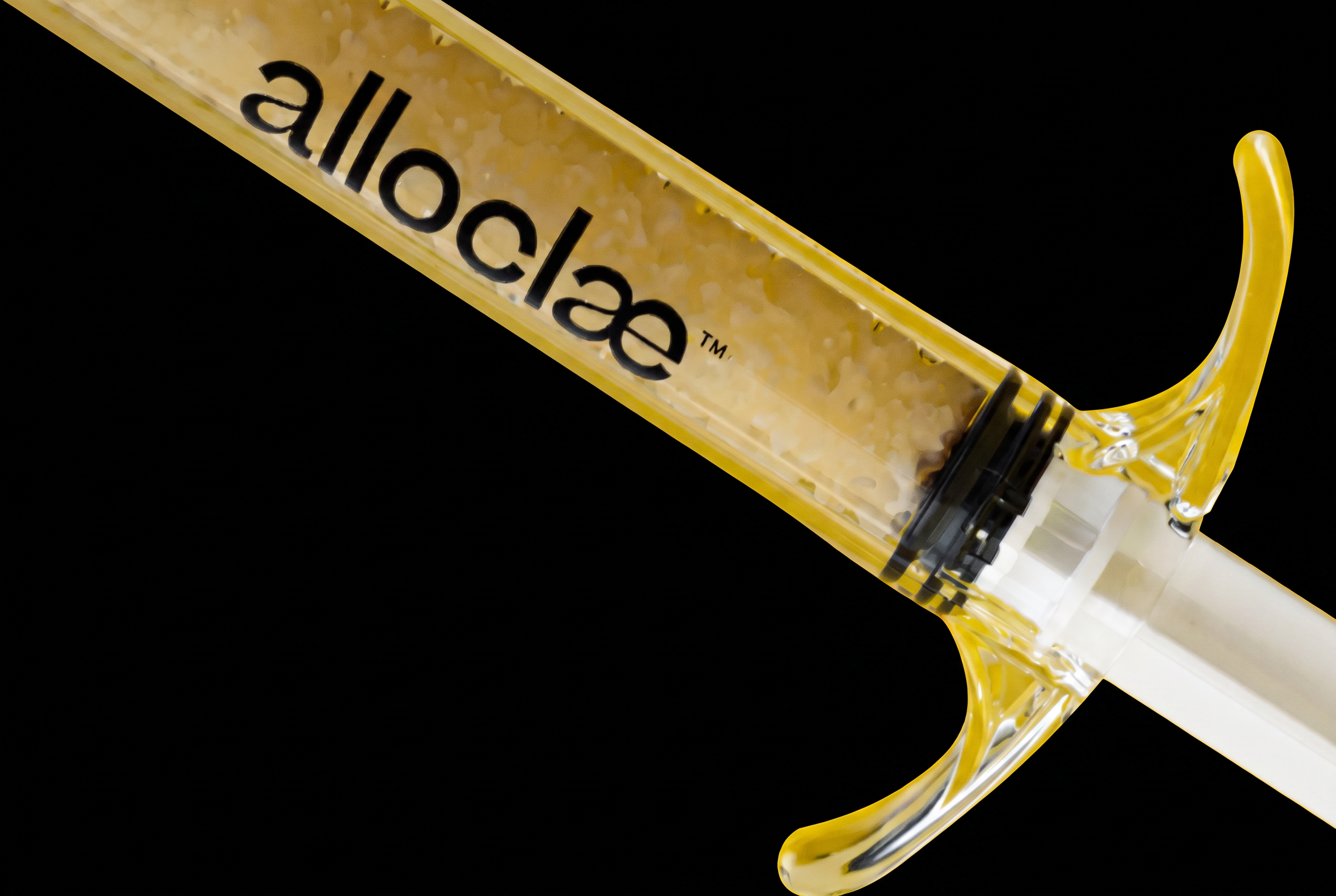
The “lunchtime boob job” nickname refers to alloClae, an injectable for breast enhancement made using fat collected from donated human cadavers. Its manufacturer is Tiger Aesthetics.
AirSculpt’s expansion plan came in a partnership announcement with Tiger dated August 12, 2026. The body-contouring chain said it intended to introduce the injections at selected clinics during August, then extend availability across the country before the end of 2026.
AirSculpt also lists alloClae as a treatment at its Beverly Hills office on an undated location page.
Tiger took a licensing dispute with New York to court in a petition dated May 26, 2026. The filing challenged the state’s Department of Health over distribution applications for alloClae that Tiger said the department had turned down on May 21, 2026.
The Health Department’s court affirmation alleged that a New Jersey home received over 330 boxes of alloClae from Tiger between September 2025 and April 2026. According to the department, the buyers were about 40 surgeons and medical spas based in New York.
Sandra, a media lawyer who was 43 when CNN published her account on July 13, 2026, said she’d paid $13,000 to have each breast injected with 50cc of alloClae. About 2 months after treatment, she said, her right breast developed fat necrosis. She also described yellow fluid leaking where she’d been injected.
CNN said her cysts had been aspirated. Sandra still felt lumps afterward and said she’d been advised that surgery might be needed to take out alloClae that remained.
In that July 13, 2026 report, Tiger president Caroline Van Hove said the company hadn’t confirmed an infection or a graft rejection involving alloClae. She also stressed the importance of how the injections are given.
Nicole’s account, published by the New York Post on August 11, 2026, concerned a breast treatment she’d received in November 2025 for around $10,000. She said most of the added volume disappeared and described granulomas, oil cysts and fat necrosis that made her mammograms and MRIs harder to interpret.
The August report described oil cysts and areas of necrosis that were still detectable by touch after they’d stopped being visible. A spokesperson for Tiger told the New York Post that the treatment carried risks.


